What Is Acemannan? A Research-Based Overview
Overview of acemannan from Aloe vera: structure, immune and wound-healing effects, gut benefits, and research limits.

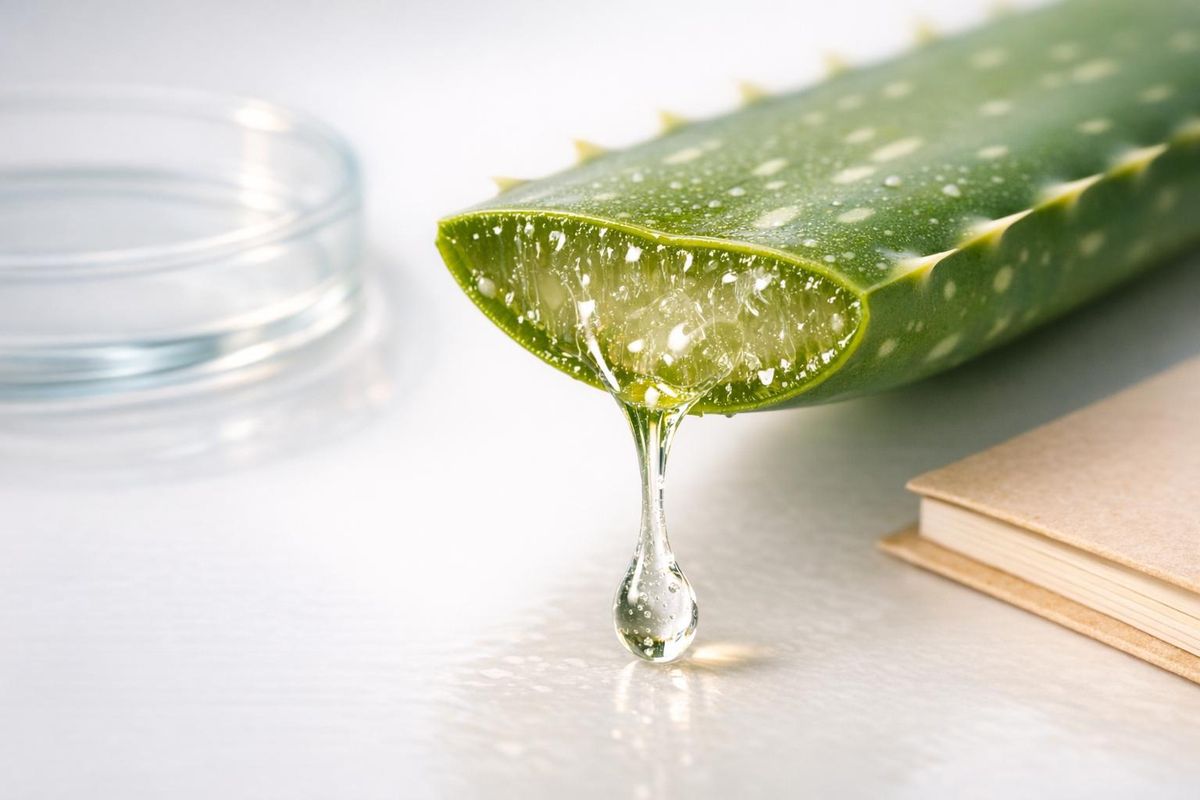
Acemannan is a bioactive compound found in the inner leaf gel of Aloe vera. It’s a water-soluble polysaccharide primarily made up of mannose sugar units, with acetyl groups that are critical to its biological activity. Research highlights its potential in:
- Immune system support: Activates macrophages and dendritic cells, promoting immune responses.
- Wound healing: Speeds up tissue repair by stimulating fibroblast activity and increasing collagen production.
- Gut health: Acts as a prebiotic, supporting beneficial gut bacteria.
While studies suggest it may aid in skin repair, oral health, and even antiviral and antitumor activity, most research is based on lab and animal studies. Human trials are limited, and standardization issues in extraction methods create inconsistencies in quality. More research is needed to confirm its full therapeutic potential and establish dosing guidelines.
Acemannan: A Basic Definition
Acemannan is a water-soluble polysaccharide found in the gel-producing cells (parenchymatous cells) of aloe vera's inner leaf. This is why it's often referred to as an inner leaf gel polysaccharide. It plays a key role in aloe vera's ability to support immune function, promote wound healing, and aid in tissue repair. The structure of acemannan helps explain its powerful effects.
Molecular Structure and Key Characteristics
Acemannan's molecular makeup is the foundation of its biological activity. It consists of a backbone made primarily of β-(1,4)-linked mannose units, which account for over 60% of its composition. Glucose makes up about 20% of the main chain, while side chains of galactose contribute less than 10%.
What sets acemannan apart is its acetylation - acetyl groups attached to specific mannose residues. These acetyl groups are the only non-sugar functional components in acemannan and are crucial for its unique properties.
"Structurally, these acetyl groups are the only nonsugar functional groups present in acemannan and seem to play a key role in the physicochemical properties and biological activity of Aloe vera." - Rafael Minjares-Fuentes and Antoni Femenia
When these acetyl groups are removed, acemannan loses much of its biological effectiveness, including its ability to stimulate cell maturation and activate the immune system. The molecular weight of acemannan can range from ~30 kDa to 2 million Daltons, with its immune-modulating effects being most effective between 5 and 400 kDa.
Why Acemannan Is Worth Studying
Acemannan has drawn significant scientific attention because of its well-documented biological pathways. It binds to mannose receptors on macrophages and dendritic cells, triggering immune responses, aiding tissue repair, and even showing antiviral and antitumor activity.
"Acemannan is considered to be a natural polysaccharide with good biodegradability and biocompatibility... and has a wide range of applications in the biomedical field due to excellent immunomodulatory, antiviral, antitumor, and tissue regeneration effects." - Yingjie Bai et al.
Its potential goes beyond immune health. Researchers are investigating its role in fields like bone tissue engineering, dental regeneration, and gut health, where it acts as a prebiotic, nourishing beneficial gut bacteria. The combination of its diverse applications and clear mechanisms of action makes acemannan a key focus in biomedical research today.
sbb-itb-b88dd21
How Acemannan Works in the Body
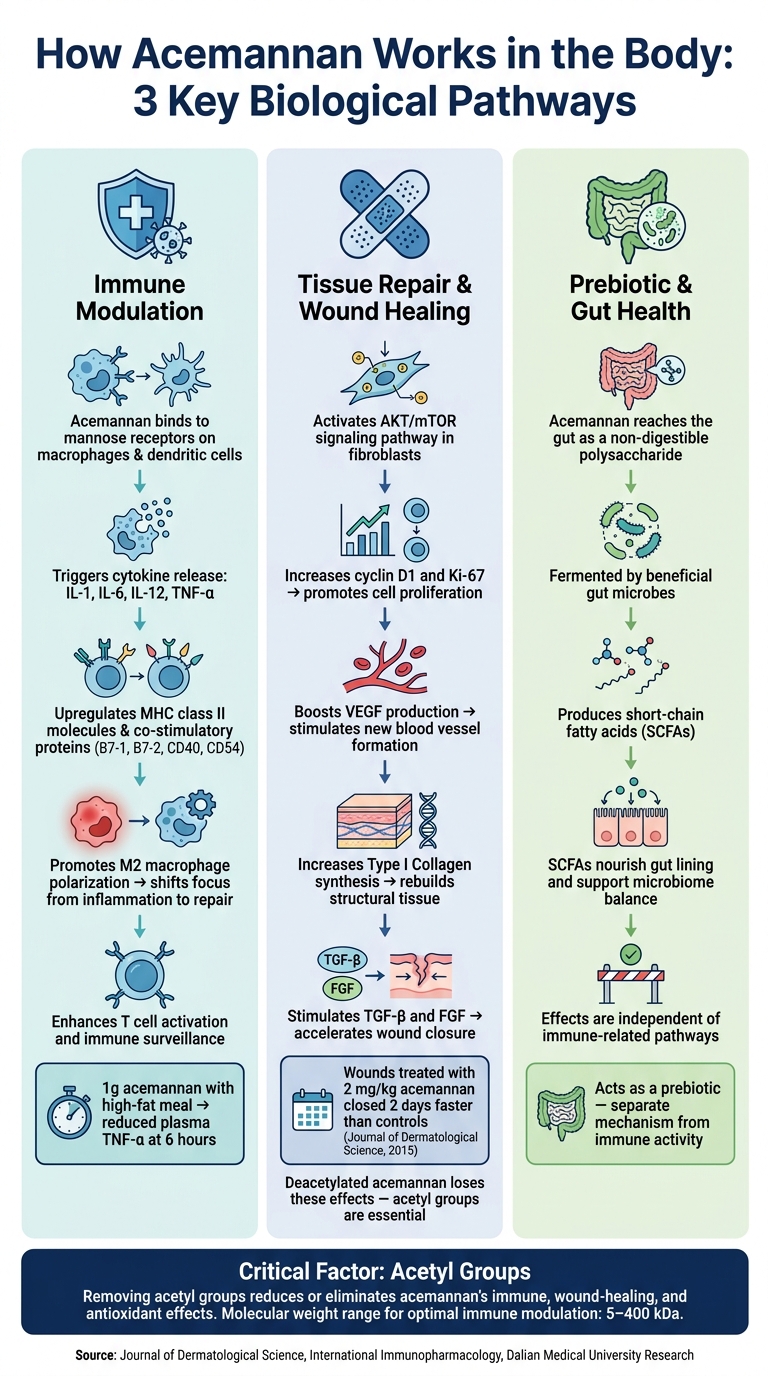
How Acemannan Works in the Body: 3 Key Biological Pathways
When ingested, acemannan interacts with cells and signaling pathways to produce a range of biological effects.
Immune Modulation
Acemannan plays a role in modulating the immune system by binding to mannose receptors on macrophages and dendritic cells (DCs). This interaction triggers cytokine release and promotes cell maturation.
In macrophages, acemannan stimulates the release of cytokines like IL-1, IL-6, IL-12, and TNF-α, which help coordinate immune responses. In dendritic cells, it boosts the expression of MHC class II molecules and co-stimulatory proteins such as B7-1, B7-2, CD40, and CD54, which are vital for T cell activation. A 2001 study published in International Immunopharmacology by Myung Koo Lee and colleagues highlighted this effect on immature dendritic cells derived from mouse bone marrow.
"Acemannan could induce maturation of immature DCs... evidenced by up-regulation of class II MHC molecules and co-stimulatory molecules such as B7-1, B7-2, CD40 and CD54." - Myung Koo Lee, International Immunopharmacology
Additionally, acemannan encourages M2 macrophage polarization, which shifts the immune system's focus from inflammation to tissue repair. These immune-modulating effects set the stage for improved tissue healing, as discussed below.
Tissue Repair and Wound Healing
Acemannan activates the AKT/mTOR pathway in fibroblasts, increasing levels of cyclin D1 and Ki-67, both of which are critical for cell turnover and tissue repair. A 2015 study in the Journal of Dermatological Science, led by Xiang Xu, tested acemannan in a mouse model of full-thickness skin wounds. The wounds treated with 2 mg/kg of acemannan closed 2 days faster than those in the control group.
"Acemannan promoted skin wound healing partly through activating AKT/mTOR-mediated protein translation mechanism, which may represent an alternative therapy approach for cutaneous wound." - Xiang Xu, Journal of Dermatological Science
Acemannan also boosts the production of VEGF (vascular endothelial growth factor) and Type I Collagen, which are essential for forming new blood vessels and rebuilding structural tissue. Interestingly, fully deacetylated acemannan does not produce these effects, emphasizing the importance of its acetyl groups. These findings highlight acemannan's potential in clinical settings for wound care.
Beyond its role in tissue repair, acemannan contributes to several other biological activities.
Other Biological Activities
Acemannan also shows antibacterial, antiviral, and indirect antitumor properties by activating the body's defense mechanisms. Its acetyl groups help neutralize free radicals, and when consumed, it acts as a prebiotic, encouraging the production of short-chain fatty acids that support gut health. These diverse benefits suggest acemannan's potential for a variety of health applications.
What Research Says About Acemannan
Recent studies continue to highlight acemannan's potential in various clinical applications, building on its well-known biological properties.
Skin and Wound Healing
Evidence suggests that acemannan plays a major role in speeding up skin repair. It does this by enhancing fibroblast activity and increasing the expression of growth markers like Ki-67 and cyclin D1. A study published in the Journal of Dermatological Science emphasized:
"Acemannan significantly accelerated skin wound closure and cell proliferation." - Journal of Dermatological Science
In addition, oral intake of acemannan has been shown to stimulate TGF-β (transforming growth factor-beta) and FGF (fibroblast growth factor), which are critical for repairing wounds, especially those delayed by radiation exposure.
But acemannan’s benefits don’t stop at skin repair - it also has a profound effect on immune function.
Immune Support
Research confirms that acemannan enhances the body's immune defenses. Its ability to bind to mannose receptors is key to its immunomodulatory properties. Clinical studies have demonstrated its role in reducing TNF-α levels after meals, which points to its anti-inflammatory potential. Additionally, acemannan acts as an immunologic adjuvant, improving vaccine responses and increasing lymphocyte activity against foreign antigens.
One randomized crossover trial revealed that consuming Aloe vera juice containing 1 gram of acemannan with a high-fat meal reduced plasma TNF-α levels six hours after eating. This finding suggests that acemannan could help manage inflammation triggered by meals.
Other Areas of Study
Acemannan's potential extends beyond tissue repair and immune support. Emerging research is exploring its role in oral and bone health. It has been shown to:
- Stimulate the growth and differentiation of bone marrow stromal cells.
- Promote extracellular matrix production and mineralization.
- Aid bone formation in tooth extraction models and potentially support cartilage repair in the temporomandibular joint.
Furthermore, as a non-digestible polysaccharide, acemannan is fermented by gut microbes into short-chain fatty acids (SCFAs). These SCFAs contribute to gut health through mechanisms that are separate from its immune-related effects.
Health Applications of Acemannan
Research highlights acemannan as a compound with a broad range of biological benefits, impacting everything from skin health to oral and bone tissue repair.
Wound Care and Skin Health
One of acemannan's primary uses is in wound healing. It accelerates the process by activating cellular repair pathways, including proteins like cyclin D1. The Journal of Dermatological Science explains:
"Acemannan promoted skin wound healing partly through activating AKT/mTOR-mediated protein translation mechanism, which may represent an alternative therapy approach for cutaneous wound."
This makes acemannan particularly useful for wounds that struggle to heal, such as those caused by radiation exposure or chronic ulcers. Combining acemannan with chitosan in topical treatments has shown even greater effectiveness, as this combination shifts the wound environment from inflammation to active repair. Additionally, acemannan protects Langerhans cells - key immune cells in the skin - from UV-induced damage, helping maintain the skin's natural defenses.
Immune Health Support
Acemannan's benefits go beyond tissue repair; it also strengthens the immune system. Acting as a biological response modifier (BRM), it helps immature dendritic cells mature and enhances critical surface markers needed for initiating immune responses.
In a 2021 randomized, double-blind, placebo-controlled trial at NIS Labs, researcher Gitte S. Jensen studied a botanical blend called UP360. This blend included Aloe vera gel (standardized for acemannan), Poria cocos mushroom, and rosemary. Eleven healthy participants took a 500 mg dose, and within just one hour, CD25 expression on monocytes and NKT cells increased significantly (P<0.01). Additionally, IP-10 chemokine levels peaked at two hours (P<0.01), showing a quick boost in immune surveillance.
Oral and Periodontal Health
Acemannan also plays a role in oral health by stimulating gingival fibroblasts to produce KGF-1, VEGF, and Type I collagen. These elements support tissue regeneration, improved blood flow, and stronger gum tissue.
A 2009 study by Chulalongkorn University tested a 0.5% acemannan Carbopol gel on oral wounds in rats. By day 7, the acemannan-treated group showed significantly better healing and tissue quality compared to those treated with a corticosteroid (0.1% triamcinolone acetonide) or a plain gel. For bone health, acemannan aids in the differentiation and mineralization of bone marrow stromal cells, making it a potential option for post-extraction bone recovery in dental care. These findings highlight acemannan's versatility across multiple health areas.
Current Limitations in Acemannan Research
While early research into acemannan shows promise, there are several hurdles holding back a full understanding of its therapeutic potential. Many claims about its benefits have yet to be confirmed through large-scale human studies, and these gaps underscore the need for more robust research.
Lack of Large-Scale Human Studies
Most of the current evidence supporting acemannan comes from laboratory experiments and animal studies. Human trials, especially large-scale, double-blind, placebo-controlled ones, remain scarce. As Nicholas J. Sadgrove and Monique S. J. Simmonds from the Royal Botanic Gardens, Kew, have pointed out:
"Due to contradictory results in the literature, further research is required to provide scientific evidence to confirm or nullify these claims."
One ongoing study, trial NCT03250923, is examining an acemannan-based oral rinse called Celagace™ for treating candidiasis. While this is a step forward, other potential uses, such as immune system support and wound healing, still lack the rigorous human trial data needed to back up their claims.
Standardization and Dosing Issues
Beyond clinical studies, practical challenges in extracting and standardizing acemannan also hinder progress. Acemannan is made up of polymer chains that vary in length and acetylation, which directly affect its biological activity. Unfortunately, common extraction methods, like spray-drying and chromatography, can reduce acetylation by as much as 70%, making it difficult to ensure consistent quality and dosing. Since acetylation plays a key role in acemannan's immune and antioxidant effects, this variability is a serious issue.
Researchers from Dalian Medical University have noted:
"Ion-exchange column chromatography and gel permeation chromatography are the most commonly used methods for purifying AC. However, these methods are time-consuming, low in yield, and expensive, making them unsuitable for large-scale industrial applications."
Without standardized extraction techniques, it's nearly impossible to establish reliable dosing guidelines or compare results across different studies.
Open Questions in the Field
Several critical questions remain unanswered about acemannan. Researchers are still working to understand its exact mechanisms, safe dosages, and potential interactions with other medications. For example, the molecular pathways behind its wound-healing and immune-boosting effects remain, as one research team described, "largely unclear". Additionally, there is no established guidance on safe dosages for vulnerable groups like children, pregnant women, and nursing mothers. Concerns about possible interactions with immunosuppressive drugs also exist, though no clinical studies have explored this yet.
On the commercial side, product inconsistencies add another layer of complexity. A review of 15 commercial aloe beverages revealed that 50% of unflavored drinks claiming to contain more than 99% aloe had acemannan levels below 35 mg per 100 g. Researchers at the University of the Balearic Islands highlighted:
"Legislation regarding Aloe vera products is limited, and manufacturers are not required to disclose the presence or quality of bioactive compounds in their products, leaving consumers uncertain about the true properties of the products they purchase."
This lack of transparency in product labeling makes it difficult for both consumers and researchers to trust the claims made about these products. Addressing these issues is essential for unlocking acemannan's full potential in areas like immune health and wound care.
Conclusion: Key Points on Acemannan
Acemannan, the standout bioactive component in Aloe vera gel, is a β-(1,4)-linked mannan. Its effectiveness largely hinges on its molecular size and the retention of acetyl groups during processing. When these acetyl groups are lost, its benefits can be significantly reduced.
Acemannan works through three main pathways: immune activation, tissue repair, and prebiotic effects. It supports the immune system by activating macrophages and dendritic cells, aids wound healing by encouraging fibroblast growth, and promotes gut health by acting as a prebiotic. These mechanisms tie its molecular structure directly to its benefits for the immune system and skin health, making it relevant across a variety of wellness applications.
Although the science behind acemannan is promising, much of the research has been conducted in labs or on animals. Large-scale human clinical trials are still needed to confirm its potential and establish clear dosing guidelines.
Another key factor is product quality. The health benefits of acemannan depend heavily on how it’s processed and formulated. Products with high purity and minimal additives are more likely to retain the bioactivity needed to deliver results.
FAQs
How can I tell if an acemannan product is high quality?
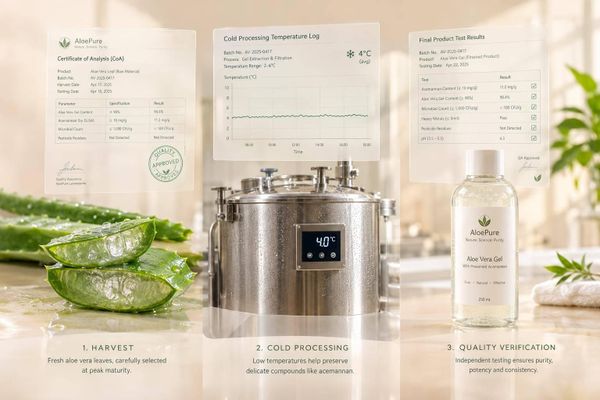
To find a reliable acemannan product, check for a certificate of analysis that verifies its acemannan content. Opt for brands that use standardized testing methods to guarantee consistent strength. Additionally, make sure the product is sourced from the inner leaf gel, which contains bioactive polysaccharides, and not from the outer leaf latex, as the latter includes laxative compounds.
What is a typical acemannan dose for immune support?
There isn't a one-size-fits-all dosage for acemannan when it comes to supporting immunity. Its effectiveness can vary based on factors like molecular weight - studies suggest that polymers below 400 kDa tend to have a greater impact on immune modulation. Since the quality of products and the concentration of acemannan can differ significantly, there's no established daily intake recommendation. It's always a good idea to check the specifics of the product you're using and consult a healthcare professional for guidance tailored to your needs.
Is acemannan safe with medications or autoimmune conditions?
Acemannan is often recognized for its ability to influence the immune system, but it’s essential to talk to a healthcare provider before using it, especially if you're taking medications or managing an autoimmune condition. Although studies point to its impact on immune cells, there’s limited clinical information about how it interacts with other drugs. Consulting a medical professional can help ensure it’s used safely with your current treatments and address any health concerns you may have.