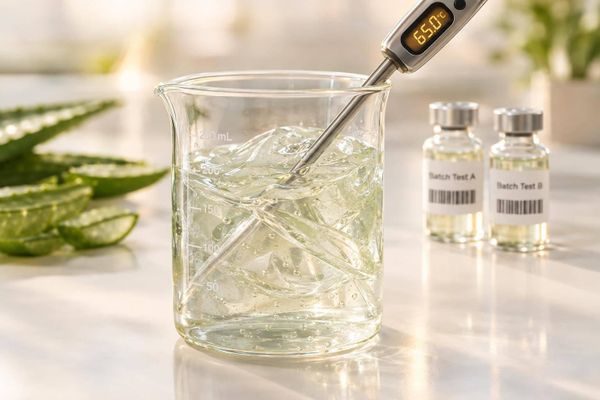
Preserving What Matters: Why Processing Temperature Is Critical to Acemannan Integrity
How processing temperature affects acemannan acetylation, molecular size, and safety—why batch testing beats labels.
How processing temperature affects acemannan acetylation, molecular size, and safety—why batch testing beats labels.
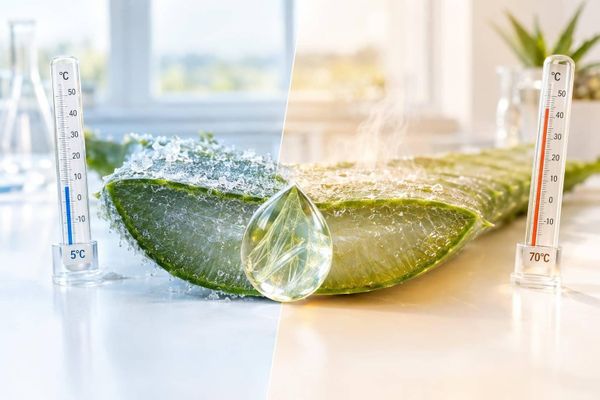
Compare heat vs cold aloe processing—how each affects acemannan structure and microbial safety; request lot-specific COAs and stability data.
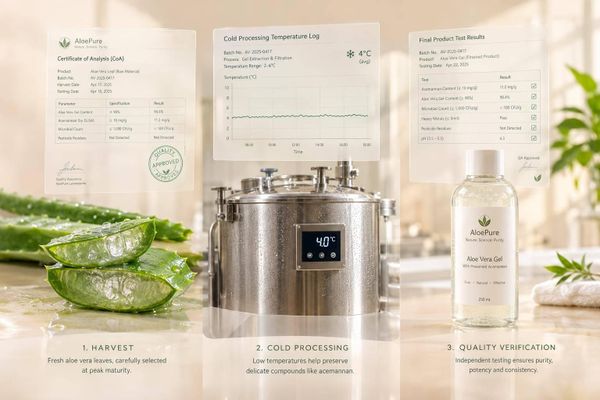
Verify acemannan preservation in aloe by checking batch CoAs, temperature/exposure logs, and finished-product test results.
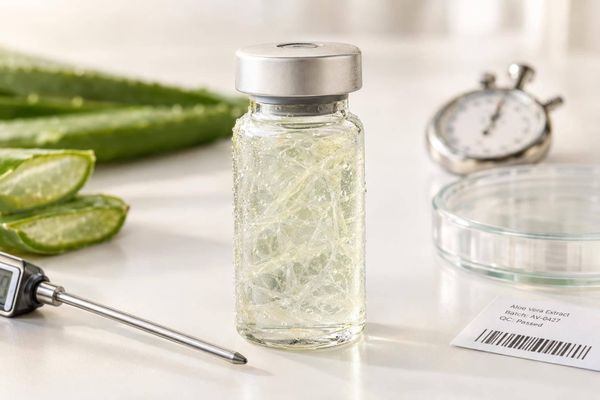
Cold-processed labels don't guarantee preservation — demand temperature/time logs, microbial controls, and lot-specific acemannan tests for amount, chain length, and acetylation.
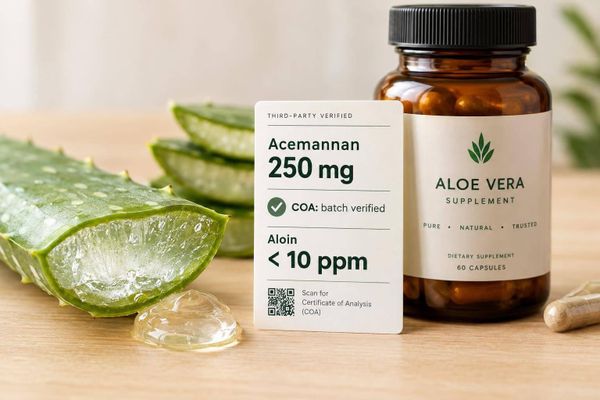
Demand numeric acemannan mg, COAs, and aloin data before buying any aloe supplement.
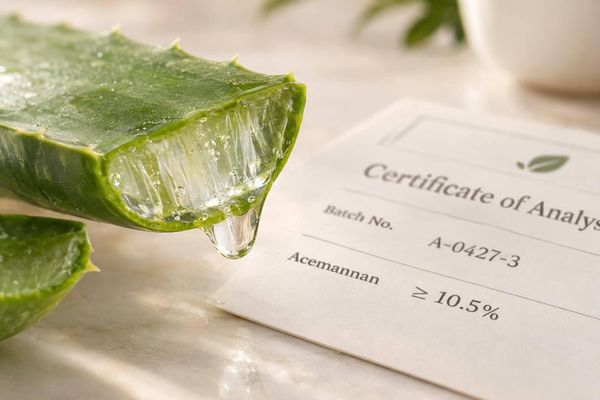
Batch-specific CoAs and acemannan tests reveal whether 'pure aloe' claims are true.
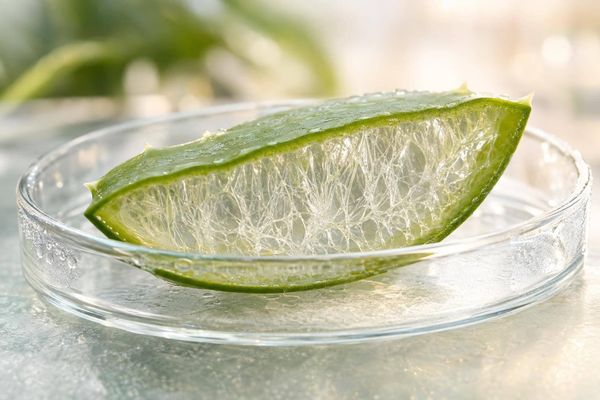
Explains why cold processing better preserves acemannan structure and which finished-product tests verify preservation.
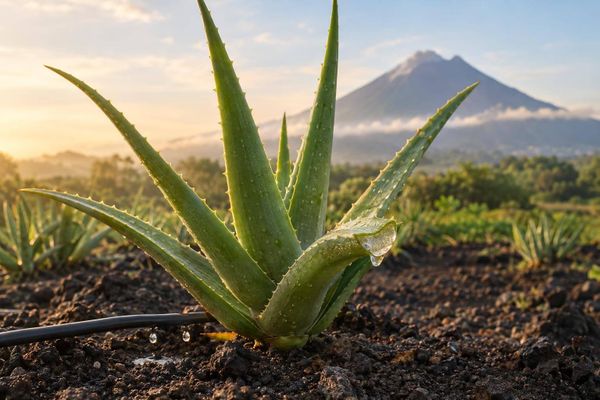
Country of origin doesn't prove acemannan quality—lot-specific COAs, soil, water, and processing records determine content and preservation.
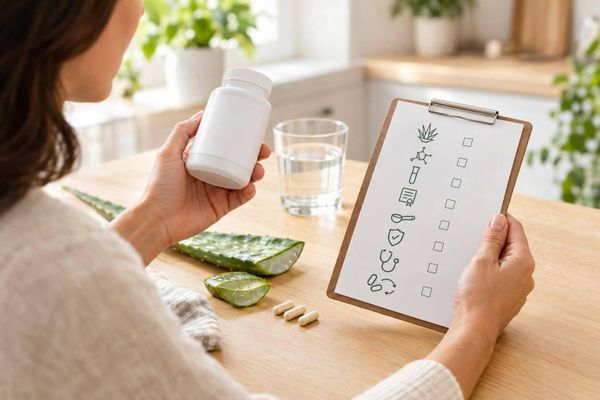
8 essential questions to verify aloe plant part, acemannan amount, aloin testing, lab COA, research-based dose, safety, and interactions.
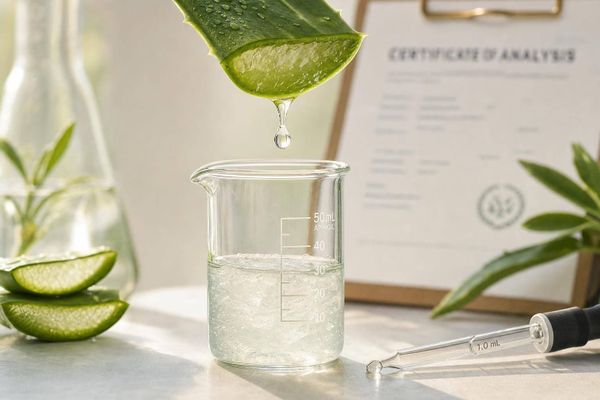
How to identify science-backed aloe supplements by checking acemannan dose, inner-leaf source, third-party COAs, and extraction methods.
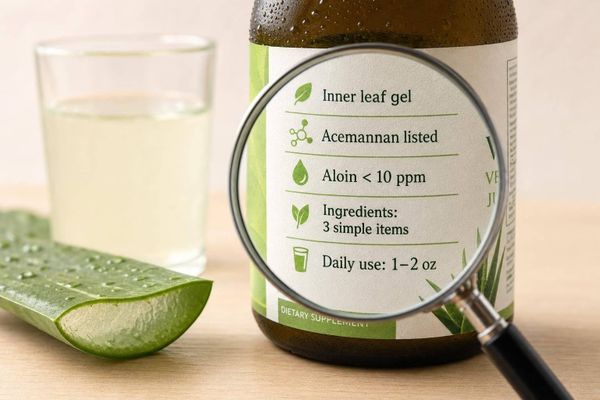
Skip vague aloe labels — check inner-leaf source, acemannan amount, <10 ppm aloin, simple ingredients, and clear daily directions.
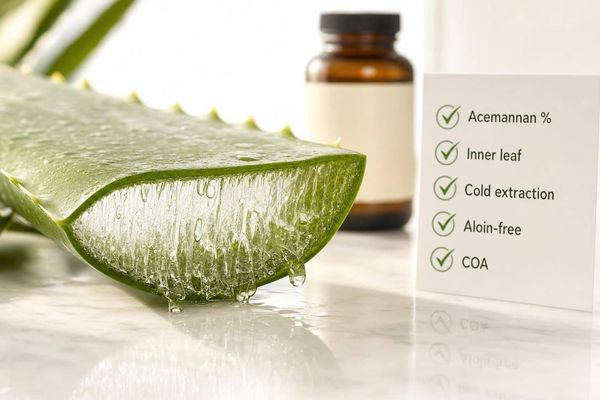
Most aloe labels hide potency — check acemannan, Aloe barbadensis inner-leaf sourcing, cold extraction, aloin-free tests, and COAs.
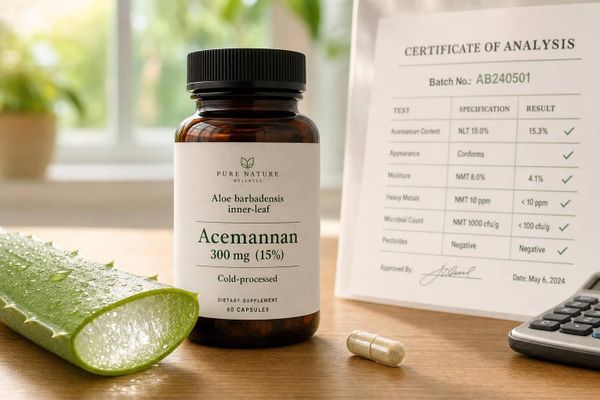
Vet acemannan supplements: confirm Aloe barbadensis inner‑leaf, acemannan mg/% and cold processing, require batch COA, and compare cost per serving.
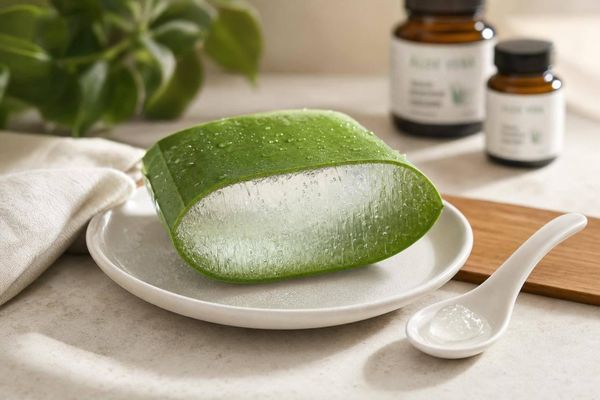
Pick inner-leaf, low-aloin aloe (cold-processed or standardized acemannan) for daily gut support; avoid whole-leaf/latex for routine use.
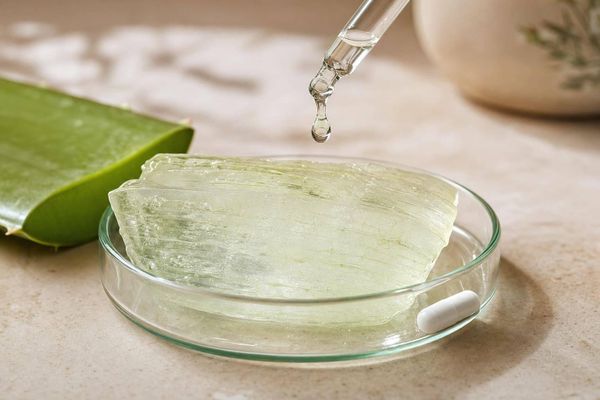
How to pick an effective aloe supplement: inner-leaf source, standardized acemannan, low aloin, and gentle processing.
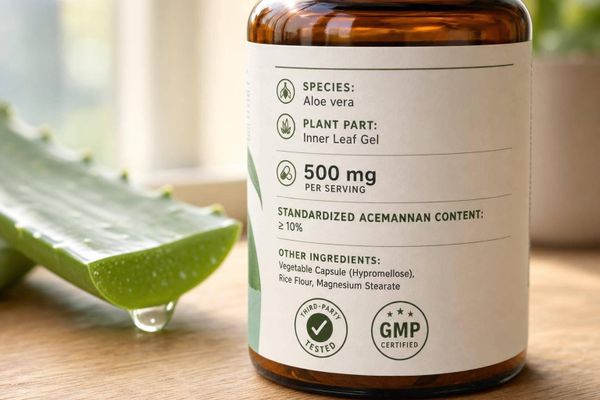
Judge aloe supplements fast: check species, plant part, mg per serving, acemannan, additives, and testing seals.
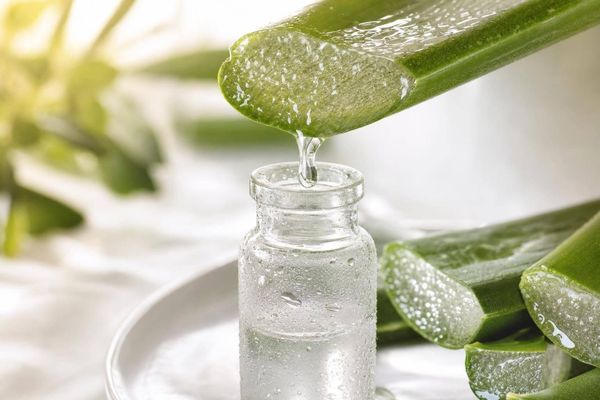
Inner-leaf sourcing, cold extraction, and standardized acemannan affect aloe purity, aloin levels, and daily-use quality.
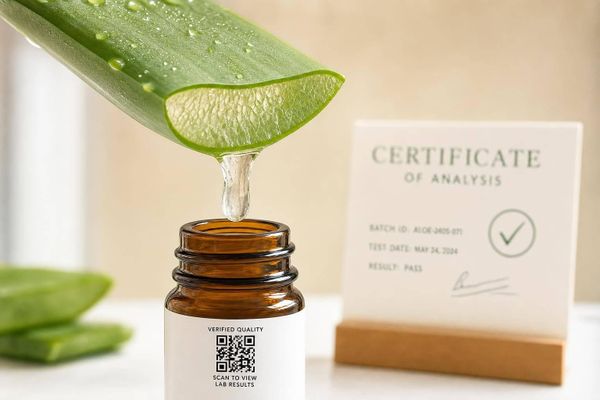
Spot high-quality aloe supplements by checking acemannan levels, cold processing, inner-leaf extract, batch CoAs, and clear sourcing.
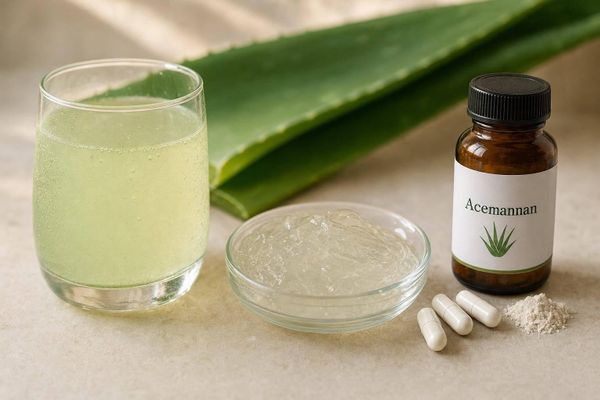
A clear comparison of aloe juice, inner-leaf gel, and acemannan supplements—uses, safety, and how to pick the right form.
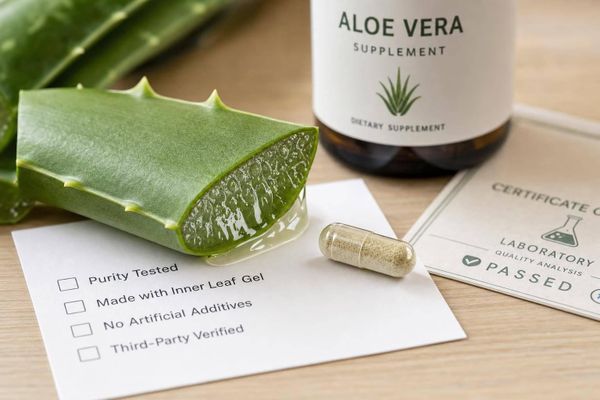
Practical checklist for choosing safe aloe vera supplements: pick a form, verify inner-leaf source, acemannan %, aloin <10 ppm, and COAs.
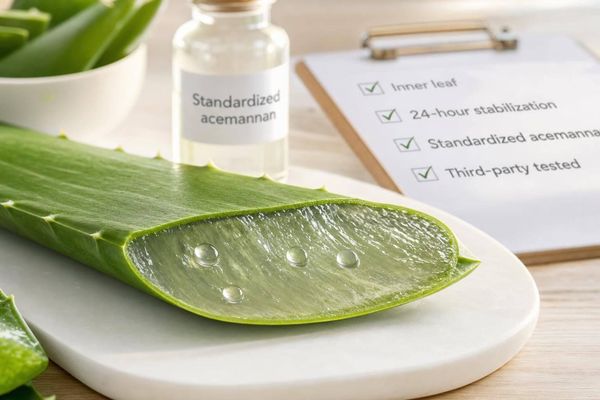
Cold-processed alone is marketing — true aloe quality requires standardized acemannan, inner-leaf sourcing, 24-hour stabilization, and third-party proof.
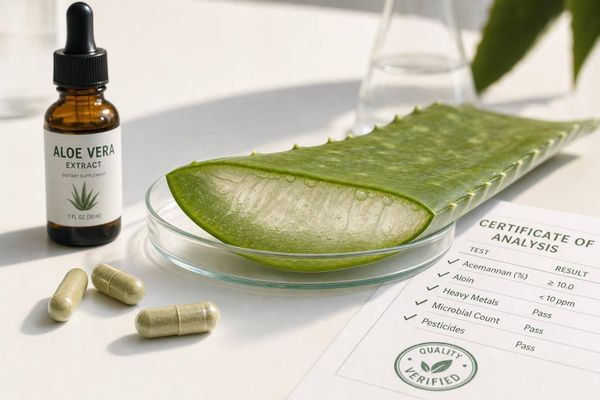
Compare aloe supplements by source, acemannan content, aloin limits, processing, and COAs for safer, effective choices.
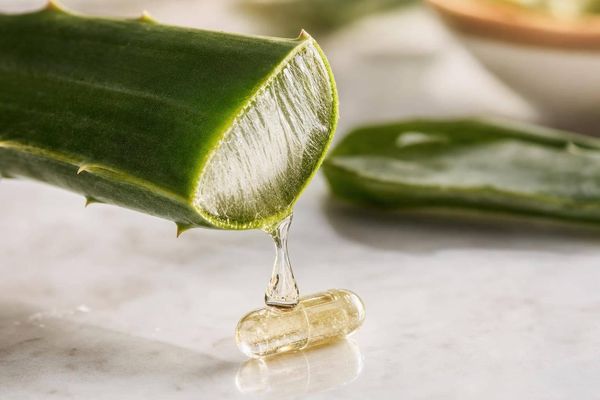
Acemannan—not just 'aloe'—is the inner-leaf compound behind immune, gut and antioxidant support; check labels and processing.
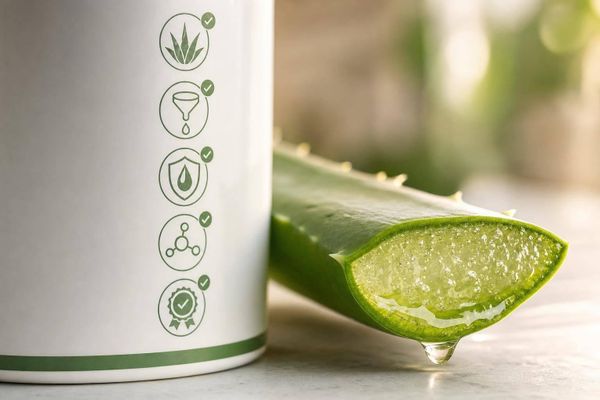
Five label checks to pick safe, potent aloe vera supplements: source, processing, aloin, acemannan, and third‑party testing.